Starting university can be a daunting and navigating the IT side of things can be confusing. We’ve therefore put together a collecting of helpful links and videos to cover any questions you may have about our IT and library services at Aberystwyth University.
Tip1: Where is everything in the Hugh Owen Library? Watch this virtual library tour:
Tip 2: Which buildings on campus have student printers? Here is the location of all printers on campus.
Tip 3: How do I print from a university printer? Watch this short demo video:
Tip 4: How do I top up my AberCard? Log into your account here to top up your AberCard.
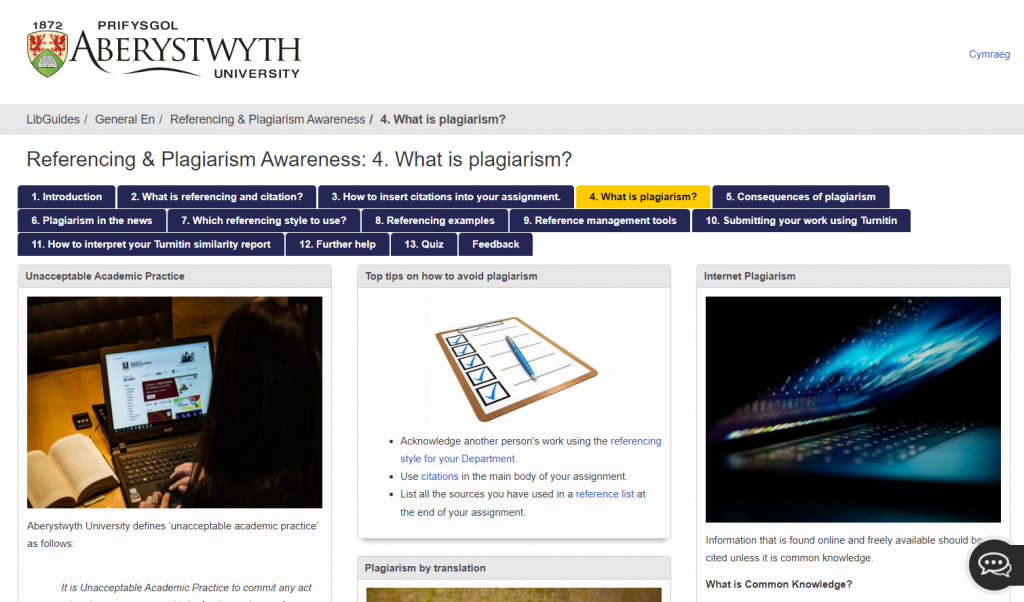
Don’t be a copycat! Welcome to part 2 of our series on fake news and plagiarism. In part one we looked at the world of smoke and mirrors that is fake news. In this part, we will go over the many forms of plagiarism, how to avoid accidental plagiarism, and ways you can combat deliberate acts of plagiarism.
What is plagiarism? Plagiarism is the act of presenting someone else’s work as if it were your own without giving credit to the original author(s) of the work. In other words, plagiarism is a form of theft but instead of physical property it is the idea of someone else, or intellectual property. There are several ways of committing plagiarism, many accidental and others intentional. Fortunately, virtually every course at Aberystwyth University goes over the basics of academic integrity as well as the proper referencing scheme to use for your course. More information on plagiarism can be found through the LibGuides page on plagiarism.
Our Christmas Learning Challenge begins tomorrow, Wednesday 7 December! We have put together 12 short courses, videos, and audio content for you to view and listen to over the next 12 days from LinkedIn Learning. This content ranges from 2-8 minutes and will help you to develop a range of skills – from using keyboard shortcuts in MS Teams to developing your self-confidence.
How do I join the challenge?
There are two ways for you to join the challenge:
You can either follow the links on each day of the challenge from the calendar below
Finally, if you haven’t activated your LinkedIn Learning account yet, remember to do so before 6 January 2023 and you will automatically be entered into a raffle where you will have the opportunity of winning one of three £20 vouchers. For any queries about the challenge, please email the Digital Capabilities Team (digi@aber.ac.uk), and we hope you enjoy your 12 days of learning!
LinkedIn Learning, a third-party E-learning resource, is available for free to all students and staff at Aberystwyth University.
What is LinkedIn Learning?
The online learning platform has an extensive digital library of expert-led courses and short videos, ranging from business courses to creative and technology-related content. This provides you with an opportunity to develop your professional skills, learn new software, and explore other areas as you plan for personal development, academic and career growth.
Getting started
Accessible 24/7 from your desktop or mobile device, visit LinkedIn Learning by logging in using your Aberystwyth University username and password. Please take a look at our login instructions.
Our Student Digital Champions have been busy producing a number of collections to help students find LinkedIn Learning content related to various topics, including:
Blog post by Laurie Stevenson (Student Digital Champion)
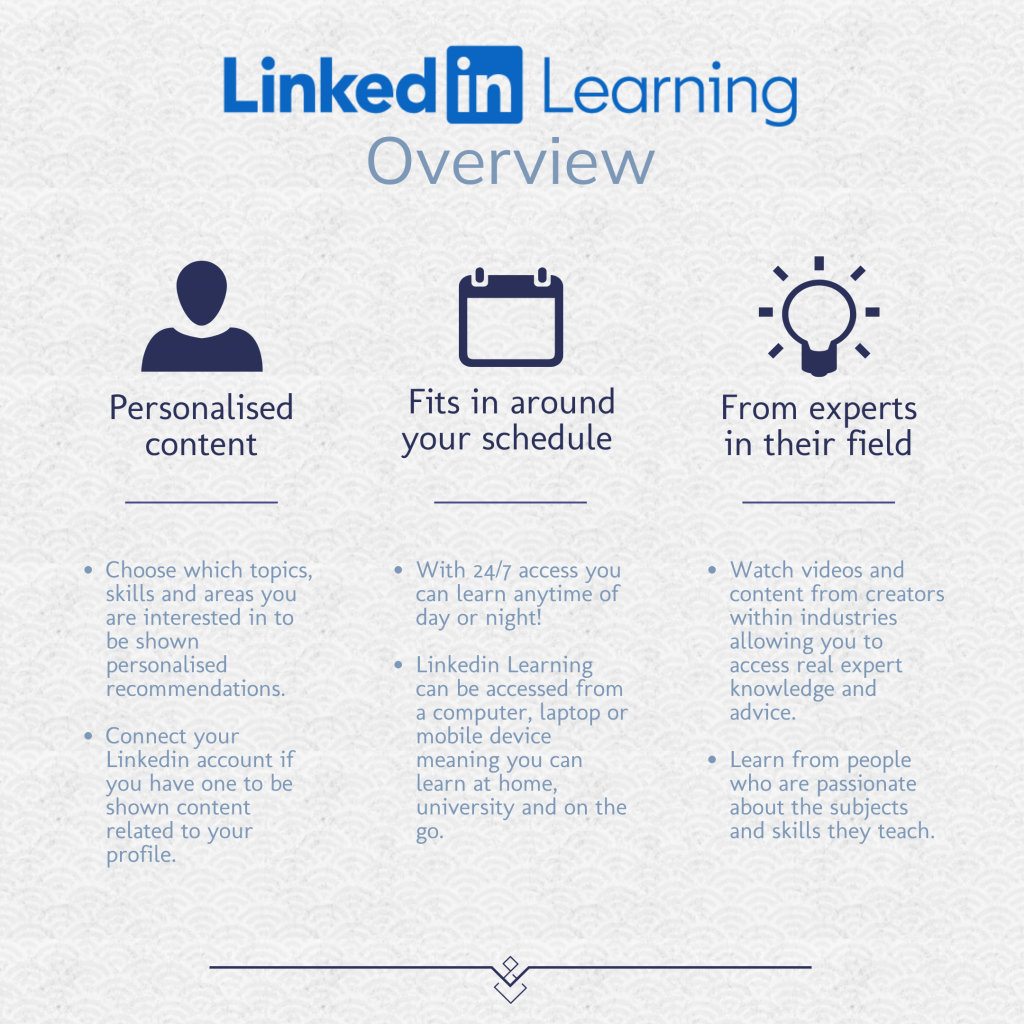
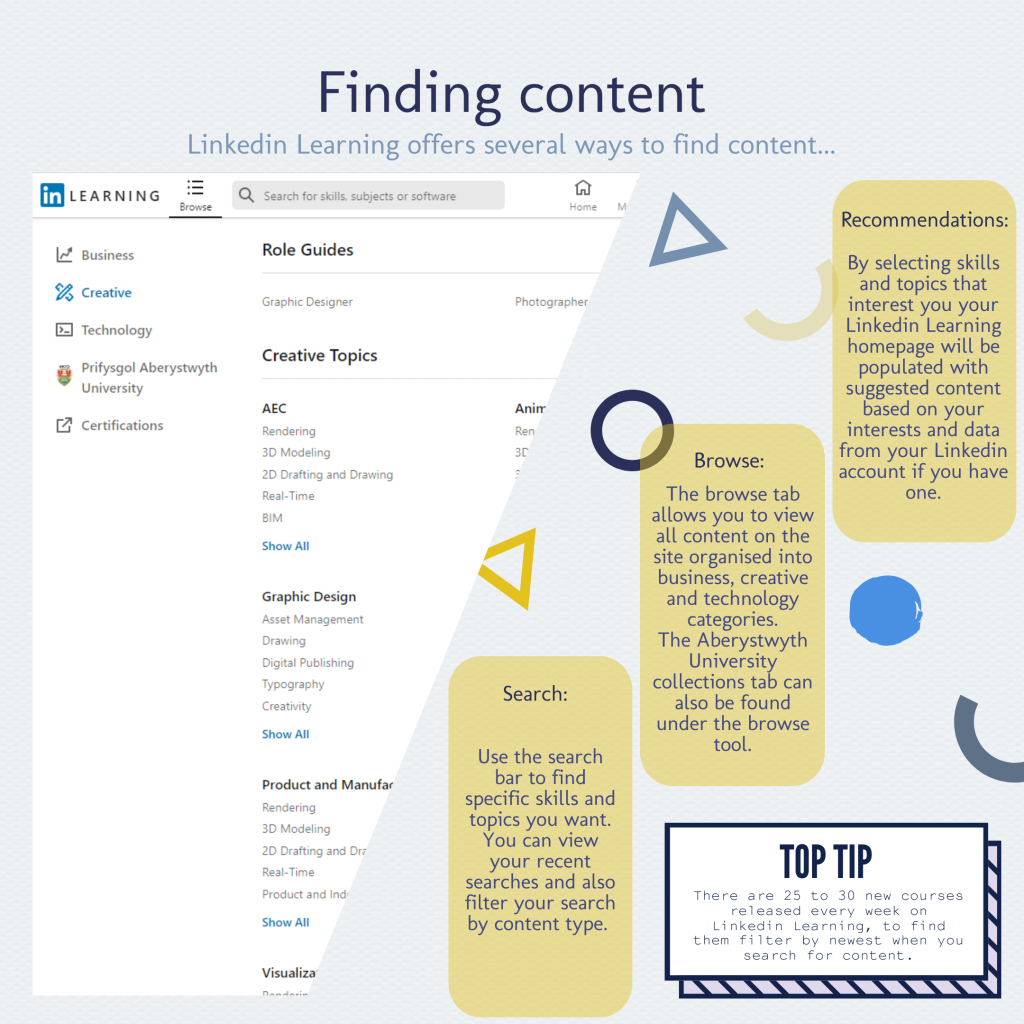
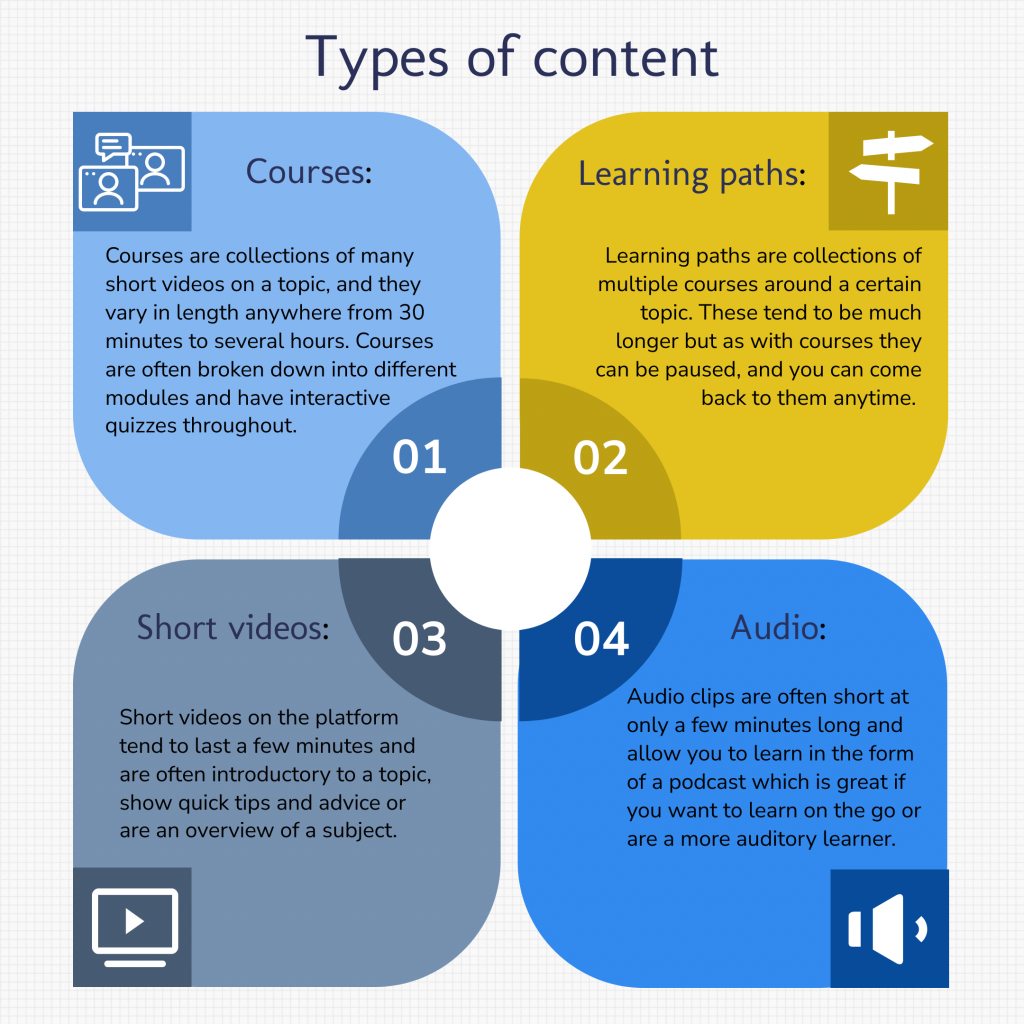
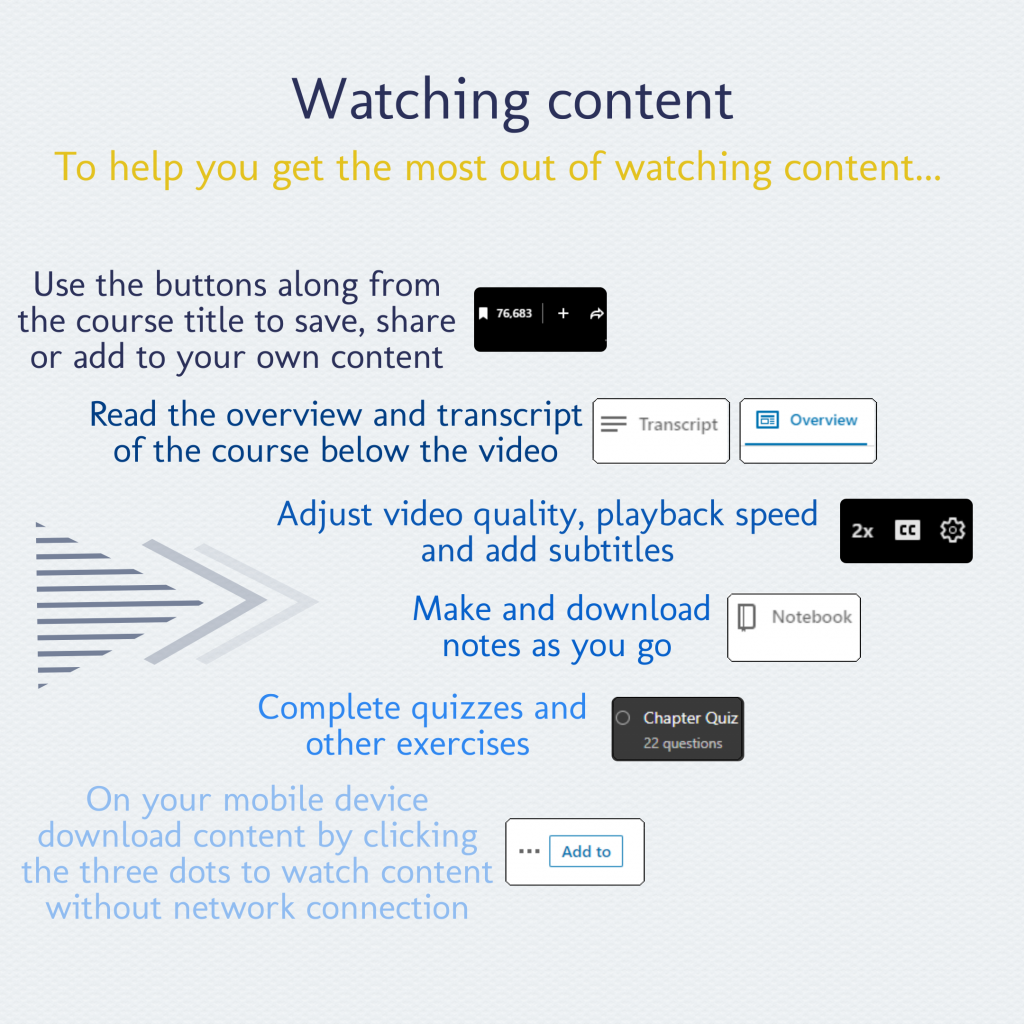
LinkedIn Learning is a free online learning platform with over 16,000 courses on everything from personal development, design, creative activities, study skills, technical support and so much more! Take a look at this content from our Information Service Instagram @ISAberUni account for some tips and tricks to get you started.
Activate your account by 6 January 2023 to be entered into a raffle where you will have the opportunity of winning one of three £20 vouchers!
Click Read More below for the text version of these visuals.
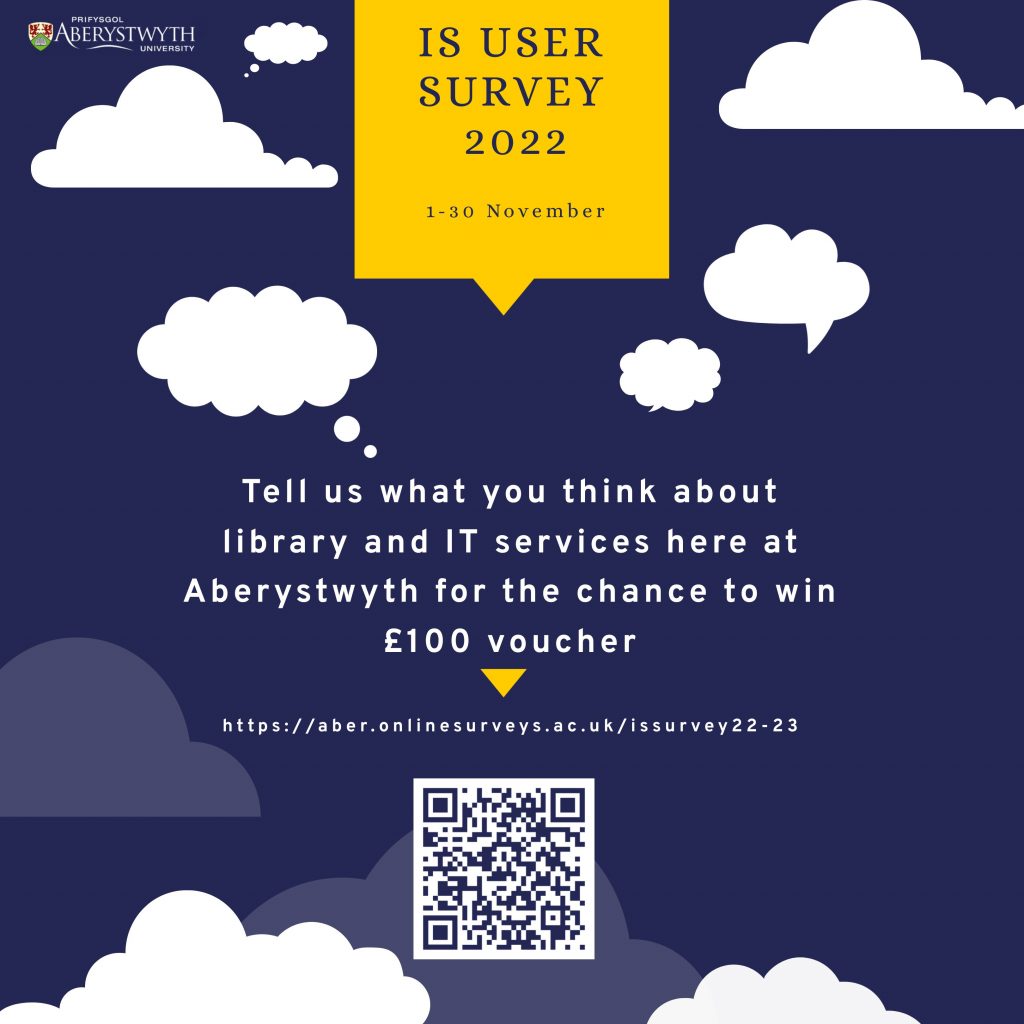
The IS User Survey gives you the chance to have your say about library and IT services at Aberystwyth University. It is also a chance to win a voucher worth £100 for only 10 minutes of your time!
Let us know what you think by completing the User Survey online by 30 November 2022.
Blog post by Jeffrey Clark (Student Digital Champion)
Separating the wheat from the chaff With millions of websites available to Internet users, it can be hard to tell which ones are legitimate. For every article on a topic that comes from a legitimate news source, there are many more articles on that same topic that are illegitimate. Sharing fake news too often can damage your online reputation, credibility, and negatively affect your academic standing. While studying at Aberystwyth University, it is important to be aware of fake news articles and how to use legitimate articles and sources correctly. This blog post will give you some useful tips on how to achieve both goals which will make your academic journey just that little bit easier. We will go over the basics of fake news, learn how to spot it, and what to do if we encounter it.
What is ‘fake news?’ There are many definitions of fake news but the most widely accepted definition is any news story that is factually incorrect or deliberately misleading. The main purposes of fake news are generating a reaction, pushing a political narrative, or for humorous purposes. It is easy to produce this kind of news on the Internet as anyone can publish anything they want regardless of its truthfulness or their individual qualifications. It is also becoming increasingly difficult to detect as it is easy to disguise a website as a legitimate news source and the rise in technology is making it easier to make other forms of news, such as live reports, appear legitimate.
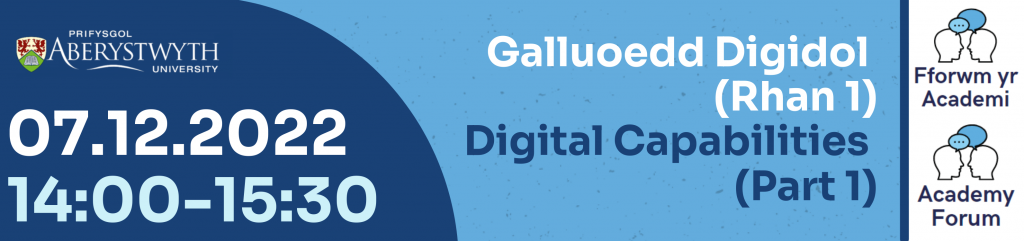
We are very pleased to have been welcomed by the Learning and Teaching Enhancement Unit (LTEU) to lead two sessions on Digital Capabilities as part of their Academy Forum programme this academic year. The Academy Forum provides a platform for staff and students to share good practice in learning and teaching. For announcements and more information about upcoming sessions, you can follow LTEU’s Academy Forum Blog.
Part 1 will run on Wednesday 7 December (2-3:30pm), and during this session, staff will be invited to share the different practices they currently have to support their own students to feel confident and capable in using various digital technologies, in addition to the challenges this may entail and approaches to overcoming these.
Please visit the Staff Training Webpage for further details and to register your place. Please keep an eye out for details of Part 2, which will be published soon! For all enquiries, please contact the Digital Capabilities Team (digi@aber.ac.uk).
Blog post by Urvashi Verma (Student Digital Champion)
As Welcome Week came to an end recently, I hope that you have all settled in comfortably and are getting to grips with your new schedules. This means changing some of your habits and lifestyle to accommodate your university schedule. For a student living independently for the first time, these changes can be even more difficult. From managing money to living with new people, it isn’t always plain sailing. For example, when I started living independently for the first time, I managed to turn all my white clothes into a bright shade of pink!
Through this blog post, I’m going to share with you some useful tips from my own experiences, and especially different apps and technologies that have helped me to feel more comfortable living independently.
Get enough Sleep
Trying to get enough sleep whilst also juggling your life between lectures, assignments and work can be very stressful, and it can take a long time to get used to it. Try maintaining a proper sleep cycle by going to sleep at the same time every night.
Technology: I would recommend a free app called Sleep Cycle: Sleep Recorded.This app will help you record your sleeping pattern, and you can use it to wake you up at just the right time by using an intelligent alarm clock.
Aberystwyth University’s 10th Annual Learning and Teaching Conference, which ran from 12-14 September 2022, brought together a community of teaching and learning practice from across the University, to celebrate, share, and showcase the exciting and innovative approaches that are taking place.
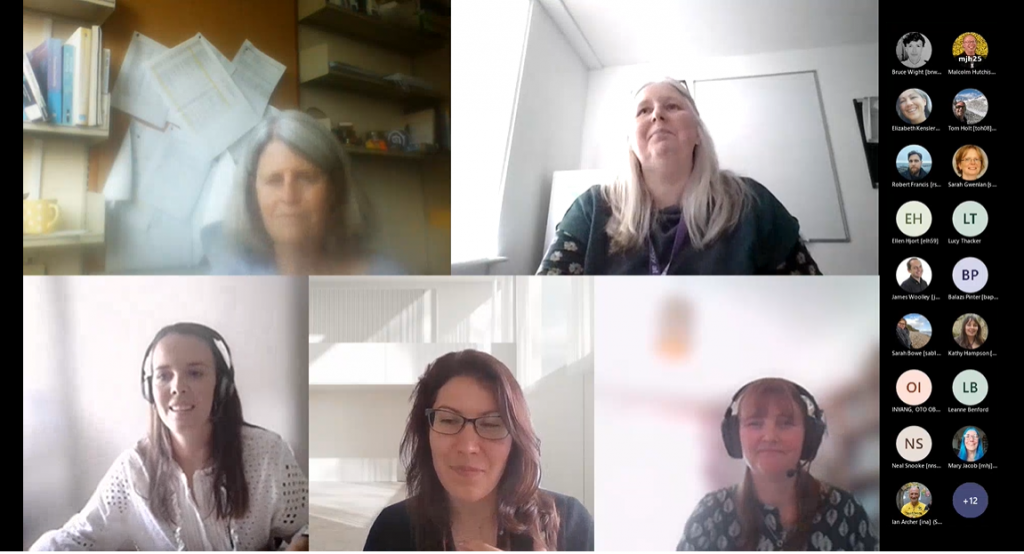
We held a panel discussion (Supporting the development of students’ digital capabilities) on the final day of the conference, with Saffron Passam (Department of Psychology), Megan Williams (Aberystwyth Business School) and Panna Karlinger (School of Education), the wonderful academic staff who were involved in our student pilot of the Digital Discovery Tool last year.
Panel Members: Megan Williams (top-left), Saffron Passam (top-right), Panna Karlinger (bottom-middle). Panel Facilitator: Sioned Llywelyn (bottom-left)
If you missed our panel discussion, you can watch a recording of it here. We gave on overview of the pilot and Saffron, Megan and Panna shared their valuable insights into what did and didn’t work well for them during the pilot, their top tips for helping students to use the Digital Discovery tool, and we also discussed the wider challenges and successes of embedding skills such as digital capabilities within the curriculum.
Further Resources & Support:
If you will be supporting students to use the Digital Discovery Tool this year, please see the new bank of Teaching Resources for Staff (staff login required). You can also book a consultation with a member of our team by emailing digi@aber.ac.uk.